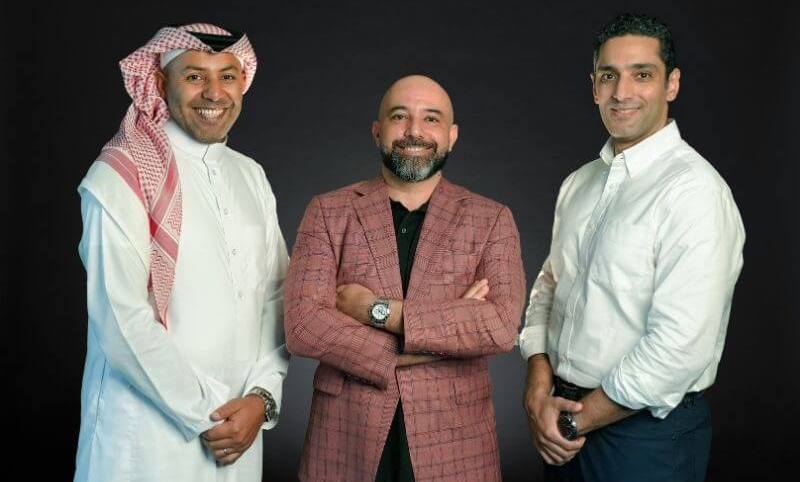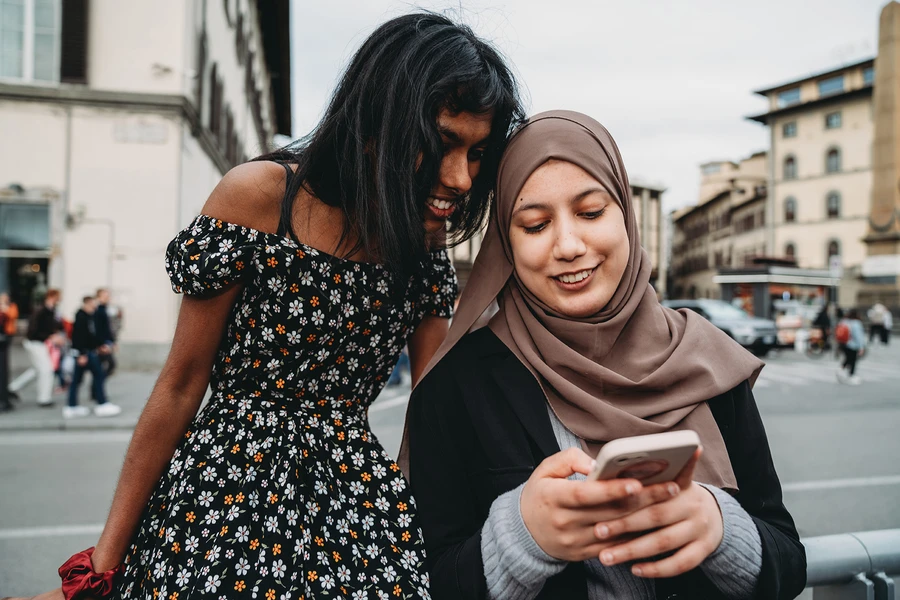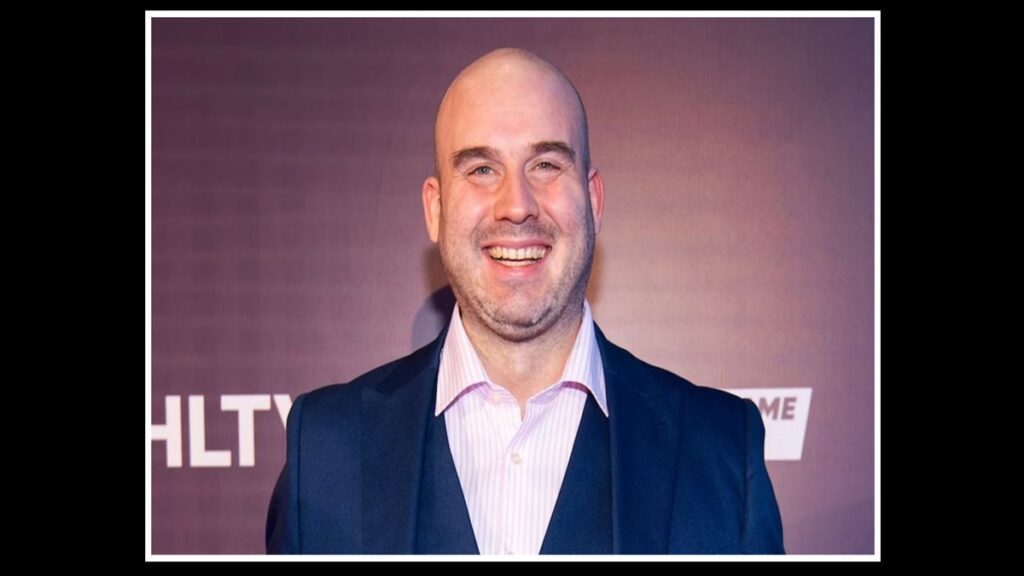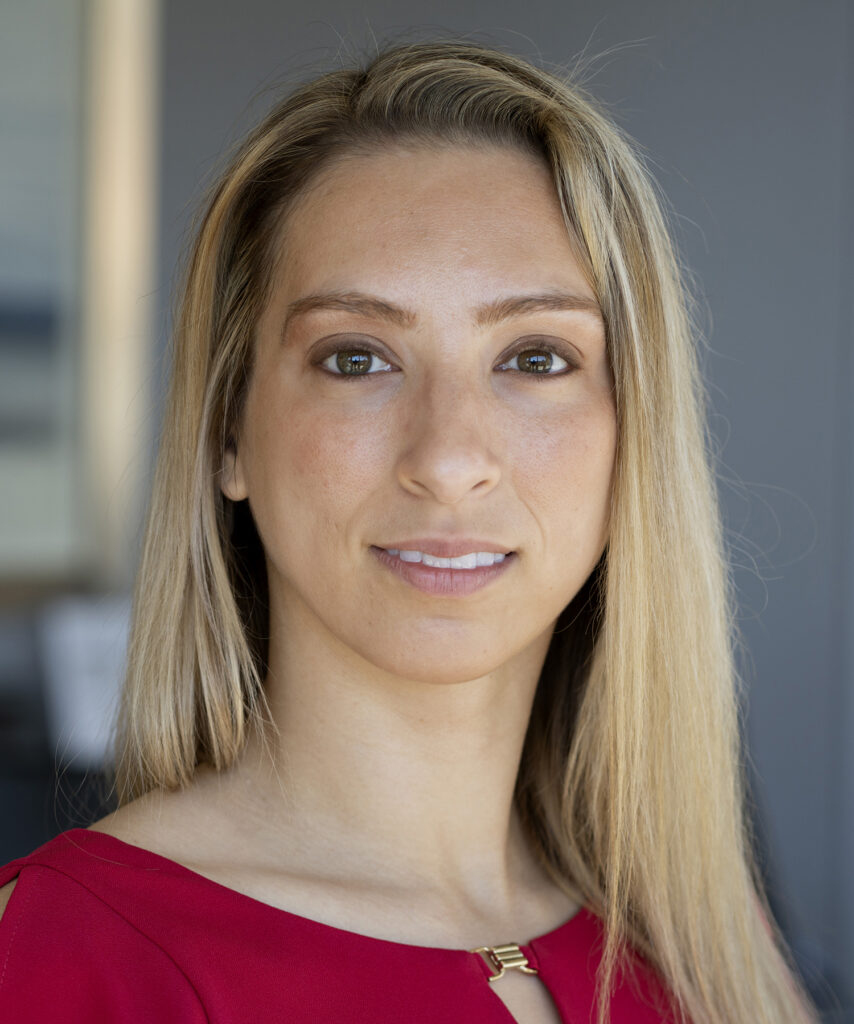


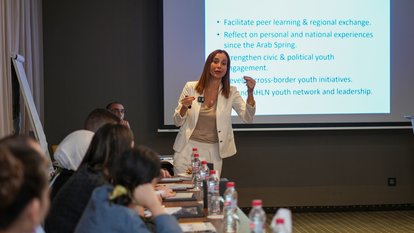
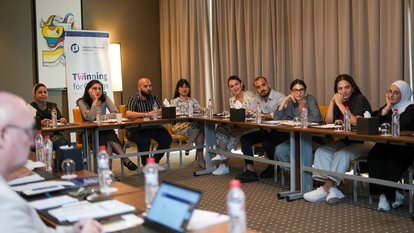
From 27 to 29 July 2025, the Friedrich Naumann Basis for Freedom (FNF), in partnership with the Al Hurriya Liberal Community (AHLN), convened the Twinning for Change regional workshop in Tunis, Tunisia, bringing collectively 16 rising political leaders from six MENA international locations. The initiative offered a dynamic platform for cross-border collaboration, political reflection, and the co-creation of forward-looking youth-led initiatives.
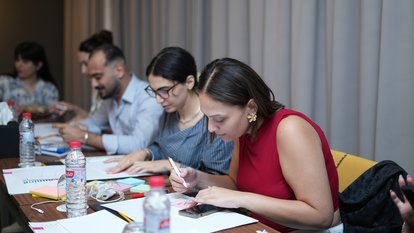
In contrast to conventional political trainings, Twinning for Change was designed as an immersive, participatory expertise that positioned younger individuals on the heart of the educational course of. Via a mix of storytelling, peer change, simulation workouts, and venture design labs, individuals engaged in a structured exploration of their political identities, native realities, and shared regional challenges.
Below the professional facilitation of Myrna Mneimneh, President of AHLN and a outstanding Lebanese political actor, the workshop moved from particular person reflection to collective technique. Classes resembling “From Witness to Actor: My Journey through a Decade of Change” and “Local Realities, Shared Struggles after the Arab Spring” inspired individuals to critically look at the evolution of youth engagement and democratic participation throughout totally different nationwide contexts.
More Read
A key spotlight of this system was a digital change with Rami Hafez, Chair of the AHLN Youth Committee, who offered the committee’s imaginative and prescient and prolonged an open invitation for individuals to imagine lively management roles inside the regional community.
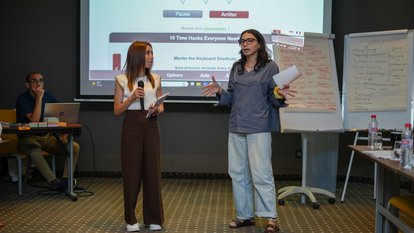
On the coronary heart of the workshop have been the Twinning Tasks, cross-national initiatives co-designed by individuals in response to urgent regional priorities, together with youth political participation, civic training, local weather motion, digital governance, and media freedom. These collaborative initiatives, known as Twinning Pacts, can be finalized and formally adopted in an upcoming follow-up session, representing a concrete mechanism for continued engagement past the workshop.
More Read
This system additionally marked the inspiration of a sustainable regional youth community, supported by FNF and AHLN, which can embrace a devoted digital area for coordination, knowledge-sharing, and future joint motion. This community goals to beat the fragmentation that usually characterizes political engagement within the MENA area and as a substitute foster a tradition of democratic solidarity led by youth.
In her closing remarks, Yasmeen Alnajdawi, Regional Mission Coordinator at FNF MENA, emphasised the long-term imaginative and prescient of the initiative:“This workshop was not an endpoint, but the beginning of something bigger, one rooted in political agency, creativity, and lasting commitment.”
Certainly, Twinning for Change demonstrated that when younger leaders from numerous contexts come along with objective and help, they don’t merely change concepts, they construct the political tradition of tomorrow.