

MENA area’s fast power transition
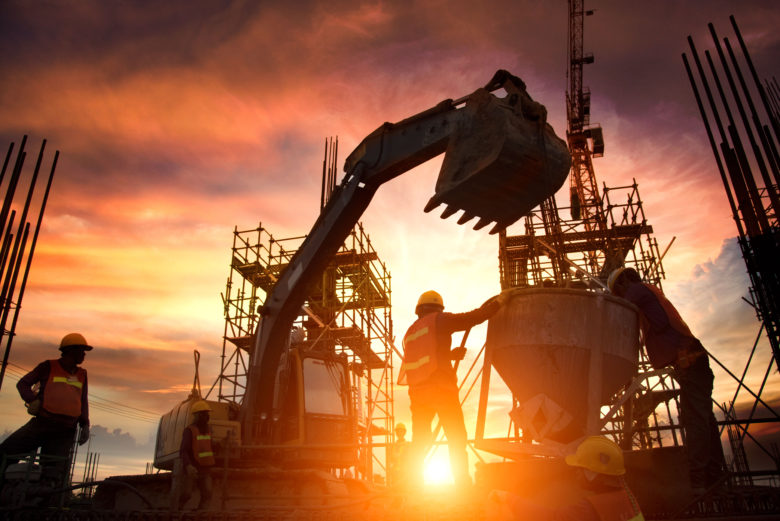
The Center East is present process a major transition towards renewable power (AP picture)
The Center East and North Africa area goes by way of a fast power transition and has made important advances with regards to renewables.
A number of components have pushed this fast shift, together with financial diversification objectives, local weather pressures and home power demand. As well as, there was a decline in the price of clear applied sciences and governments throughout the area have been investing closely in renewables like photo voltaic and wind and associated infrastructure.
The put in renewable power capability in MENA is already about 30 gigawatts. And projections present an anticipated enhance to greater than 130 GW by 2030.
More Read

Though this exhibits that the area’s renewable power capability is projected to develop greater than fourfold by the top of the last decade, the transformation isn’t uniform. Whereas some MENA nations are rising as international clear power leaders, others stay constrained. This is because of points similar to inefficient infrastructure, political instability and monetary limitations.
Nevertheless, the trajectory of renewable adoption will considerably affect the way forward for the area with regards to financial stability, environmental sustainability and long-term prosperity.
More Read

Whereas some MENA nations are rising as international clear power leaders, others stay constrained
Dr. Majid Rafizadeh
A number of MENA nations have positioned themselves on the forefront of the power transition. They’ve accomplished so by way of a number of paths, together with formidable nationwide methods, large-scale tasks and supportive regulatory frameworks.
Gulf states — notably Saudi Arabia, the UAE and Qatar — have invested considerably to construct a number of the world’s largest photo voltaic installations. These nations should not solely pursuing renewables and transitioning quickly to cut back emissions, but additionally to diversify their economies.
More Read

Photo voltaic power stands on the high of the area’s transition because of the truth it has distinctive photo voltaic irradiance. Regional photo voltaic capability alone might exceed 180 GW by 2030, with greater than 80 p.c of development concentrated in Saudi Arabia, the UAE and Egypt. The Gulf states’ long-term methods — similar to assembly a considerable share of their electrical energy demand by way of clear sources — exhibits how power transition insurance policies are built-in into their broader financial visions.
In relation to North Africa, the likes of Morocco and Egypt have additionally made important progress and emerged as pioneers. Morocco has invested closely in each photo voltaic and wind infrastructure and it goals to provide greater than half its electrical energy from renewables by 2030. Egypt is pursuing the same goal.
Among the benefits these North African nations have are their pure assets, their proximity to European markets and their adoption of coverage frameworks which might be designed to draw international funding.
There are a number of causes that some MENA states are accelerating their adoption of renewable power at such a fast tempo. Firstly, power demand is rising quickly resulting from inhabitants development, urbanization and industrial growth. Renewable power gives an economical answer.
International locations that efficiently diversify their power techniques might achieve affect as exporters of unpolluted power and know-how
Dr. Majid Rafizadeh
Secondly, financial diversification methods — similar to Saudi Arabia’s Imaginative and prescient 2030 — search to cut back their dependence on oil by creating new industries, together with inexperienced hydrogen and clear know-how manufacturing.
Thirdly, falling prices resulting from technological advances have reworked the renewables sector and made the transition much more essential and economically sound. For instance, utility-scale photo voltaic tasks within the area now obtain a number of the lowest electrical energy costs globally. This makes them very aggressive with fossil fuels.
Lastly, local weather vulnerability is rising. Many MENA nations face excessive warmth, water shortage and desertification; this strengthens the case for the transition. Diminished emissions will assist restrict excessive warmth and water stress.
Nevertheless, despite this spectacular progress, a number of nations within the area proceed to lag. That is associated to a number of underlying components, similar to bureaucratic inefficiencies, extended conflicts or unrest, weak governance and an incapability to draw long-term funding.
Financing limitations are one other main impediment, as renewable tasks demand substantial capital. For this reason worldwide local weather finance and growth banks ought to present extra help with regards to funding.
These nations can implement complete coverage reforms and strategic investments to supply long-term certainty for traders. As well as, worldwide and regional cooperation will play a significant position. For instance, partnerships with European and Asian markets can facilitate know-how switch, financing and export alternatives for this transition. Additionally, the diversification methods of those nations ought to incorporate renewables into their broader financial planning.
Geopolitically talking, the shift towards renewables will seemingly reshape regional energy dynamics. International locations that efficiently diversify their power techniques might achieve affect as exporters of unpolluted power and know-how. However these nations that lag will threat financial deterioration, isolation and marginalization. They may even threat environmental crises in a area that’s among the many world’s most strategically important.
In a nutshell, the area is present process a major and fast transition towards renewable power, propelled by technological advances, financial necessity and environmental pressures. However progress stays uneven. Main nations have demonstrated that decisive insurance policies, funding and long-term planning can remodel power techniques.
In the end, the area’s financial stability and environmental sustainability will come all the way down to how decisively it embraces the clear power transition. If the lagging nations be a part of and speed up the present momentum, MENA might emerge as a worldwide chief in renewable power.
Dr. Majid Rafizadeh is a Harvard-educated Iranian-American political scientist. X: @Dr_Rafizadeh
Disclaimer: Views expressed by writers on this part are their very own and don’t essentially mirror Arab Information’ standpoint