

How a world of fragmented provide chains, financial warfare and compounding vulnerabilities is redefining what it means for MENA nations to be safe
The subsequent nationwide disaster could not start with a navy confrontation. It could start with a disrupted transport lane, a cyberattack on crucial infrastructure, a sudden restriction on meals exports, a cost system outage, a scarcity of semiconductors, or a pointy enhance in power costs. In an interconnected however more and more fragmented world, the financial system has grow to be one of the vital essential arenas of energy, stress and strategic competitors.
From effectivity to fragility: the price of an open-market world
For the Center East and North Africa, this actuality shouldn’t be theoretical. It’s fast, seen and deeply related to the area’s growth future. MENA sits on the crossroads of worldwide power markets, maritime commerce routes, meals import corridors, monetary flows, migration pressures and geopolitical tensions. It’s a area the place international disruptions rapidly grow to be home coverage challenges. For many years, financial coverage the world over was largely designed across the logic of effectivity and comparative benefit. Nations have been inspired to supply the place prices have been lowest, import the place items have been most cost-effective, combine into international worth chains and belief that open markets would proceed to operate easily. This mannequin supported progress, decreased prices and deepened international interdependence. But the identical mannequin additionally created hidden vulnerabilities. What seemed environment friendly in regular occasions typically grew to become fragile in moments of disruption.
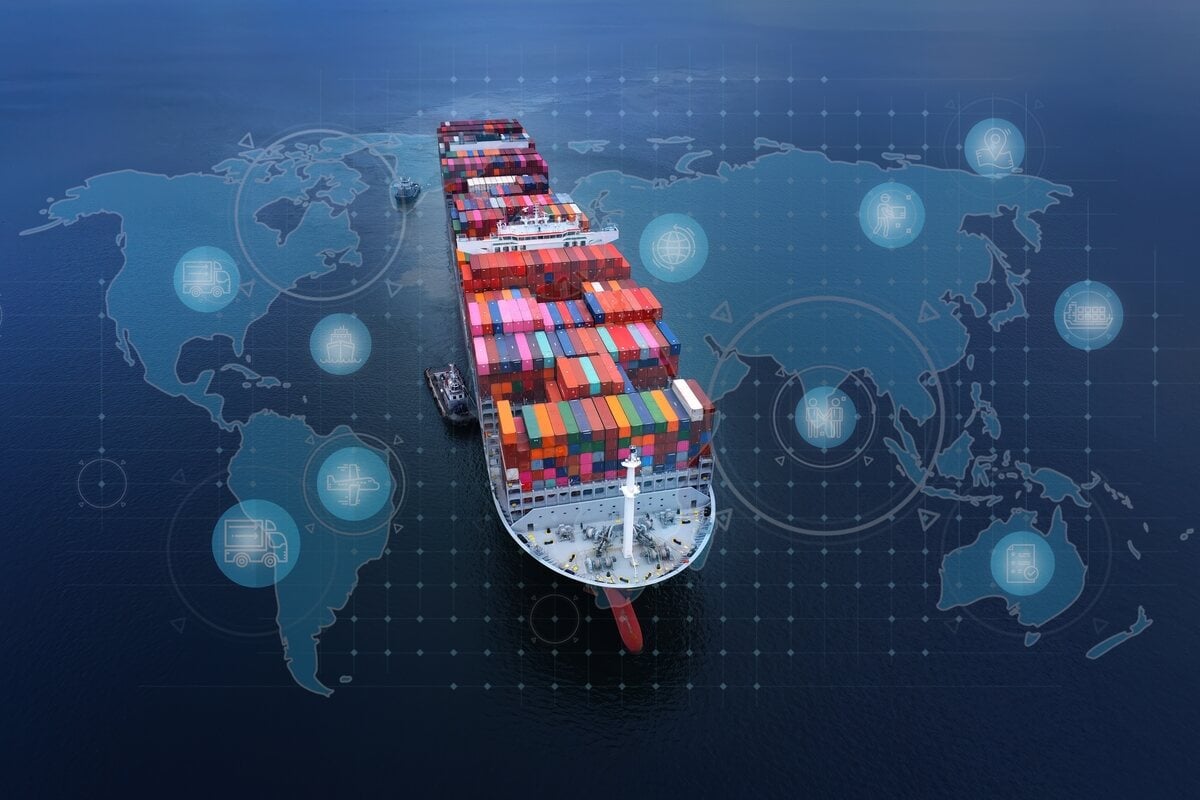
Latest international shocks have uncovered this actuality with uncommon readability. The COVID-19 pandemic revealed how rapidly provide chains might break. The conflict in Ukraine reshaped meals, power and commodity markets. Tensions across the Purple Sea and different maritime routes reminded the world that commerce corridors usually are not merely logistical passages; they’re strategic lifelines. Know-how restrictions, sanctions, export controls and monetary measures have made it clear that entry to markets, knowledge, platforms, currencies and significant applied sciences can not be taken with no consideration.
More Read

For MENA nations, these shocks intersect with present structural pressures. Many economies within the area face excessive dependence on meals imports, extreme water shortage, youth employment challenges, fiscal pressures, local weather vulnerability and publicity to exterior financing situations. Some are power exporters navigating the worldwide power transition. Others are power importers fighting value volatility. Some are monetary and logistics hubs. Others are conflict-affected or debt-constrained economies. But throughout these variations, one lesson is shared: financial resilience has grow to be a strategic necessity.
The pillars of financial safety: meals, water, power and expertise
More Read

That is why financial safety can not be handled as a slender technical file. It isn’t solely about progress charges, inflation, fiscal balances, or commerce figures. These indicators stay essential, however they don’t inform the total story. A rustic could seem economically steady whereas being deeply uncovered to a single provider, transport route, expertise supplier, meals supply, or exterior monetary channel. In occasions of disaster, these dependencies can grow to be stress factors.
Financial safety is due to this fact a couple of state’s capability to operate underneath stress. It’s about whether or not a rustic can feed its inhabitants, energy its financial system, shield its monetary system, safe its knowledge, keep entry to crucial applied sciences and make sovereign selections even underneath exterior stress. It’s the bridge between financial coverage and nationwide resilience.
In MENA, meals safety is probably the clearest instance. Meals shouldn’t be solely a humanitarian want or a shopper good. It’s a strategic asset. Many nations within the area rely closely on imported grains and international meals markets. When battle, local weather shocks, export restrictions, foreign money depreciation, or transport disruptions happen, the affect is rapidly felt in family budgets and public coverage. Bread, wheat and fundamental meals costs usually are not solely financial variables; they’re social and political alerts.
Water safety is one other defining challenge. MENA is likely one of the world’s most water-stressed areas, and local weather change is intensifying the stress. Water shortage impacts agriculture, meals safety, public well being, power manufacturing, city planning and social stability. On this context, water shouldn’t be a sectoral concern. It’s a part of the area’s nationwide safety equation.
Vitality safety provides one other layer of complexity. For energy-exporting nations, the problem is not solely easy methods to handle oil and gasoline revenues, however easy methods to finance diversification, put together for the power transition, and stay globally aggressive in a altering market. For energy-importing nations, the challenges embody value publicity, subsidy pressures, foreign-currency wants and the vulnerability of households and industries to exterior shocks. Throughout the area, power coverage is now inseparable from industrial, local weather, fiscal, and international coverage.
Know-how has additionally grow to be a significant pillar of financial safety. Synthetic intelligence, cloud programs, digital platforms, semiconductors, cybersecurity and knowledge infrastructure are actually deeply embedded in nationwide capability. They form productiveness, protection, finance, training, well being, public administration and innovation. If nations in MENA need to compete sooner or later financial system, they have to not solely devour expertise. They need to construct digital capabilities, shield knowledge, strengthen cybersecurity and cut back extreme dependence on exterior programs in crucial areas.
More Read

The identical applies to crucial minerals and industrial inputs. The worldwide transition towards renewable power, electrical automobiles, superior manufacturing and digital infrastructure is determined by sources and provide chains which can be typically geographically concentrated and geopolitically delicate. Which means that the inexperienced transition itself shouldn’t be free from strategic stress. MENA nations in search of to steer in renewable power, inexperienced hydrogen, logistics, superior manufacturing, or clear expertise will want safe provide chains, regional partnerships and long-term industrial methods.
The age of financial warfare: a brand new type of battlefield
On the identical time, financial wars have grow to be extra frequent and extra refined. Sanctions, secondary sanctions, commerce obstacles, export controls, funding restrictions, monetary exclusion, expertise bans and foreign money pressures are actually commonplace instruments of worldwide politics. They permit states to use stress with out utilizing navy pressure. The battlefield is not solely territorial. It’s monetary, technological, industrial, logistical and digital. That is notably essential for MENA as a result of the area is deeply related to international finance, power markets, commerce corridors and geopolitical alliances. Financial stress utilized elsewhere can rapidly be transmitted to the area by means of commodity costs, investor sentiment, remittances, tourism, alternate charges, capital flows and provide chains. In such an setting, vulnerability shouldn’t be at all times direct. It will probably arrive by means of second-round results.
This shift modifications the tasks of policymakers. Conventional financial administration is not sufficient. Ministries of financial system, finance, commerce, power, agriculture, trade, digital transformation and international affairs can not function in separate silos. Financial safety requires coordination throughout authorities, the non-public sector, central banks, regulators, ports, logistics suppliers, expertise corporations, analysis establishments and worldwide companions. It requires a whole-of-state and whole-of-economy method.
The important thing query is not solely “how can MENA economies grow faster?” It is usually: how can they soak up shocks higher? How can they cut back harmful dependencies? How can they shield crucial sectors with out closing their economies? How can they diversify suppliers whereas sustaining effectivity? How can they put together for disruptions earlier than they grow to be crises?
From reactive disaster administration to strategic preparedness
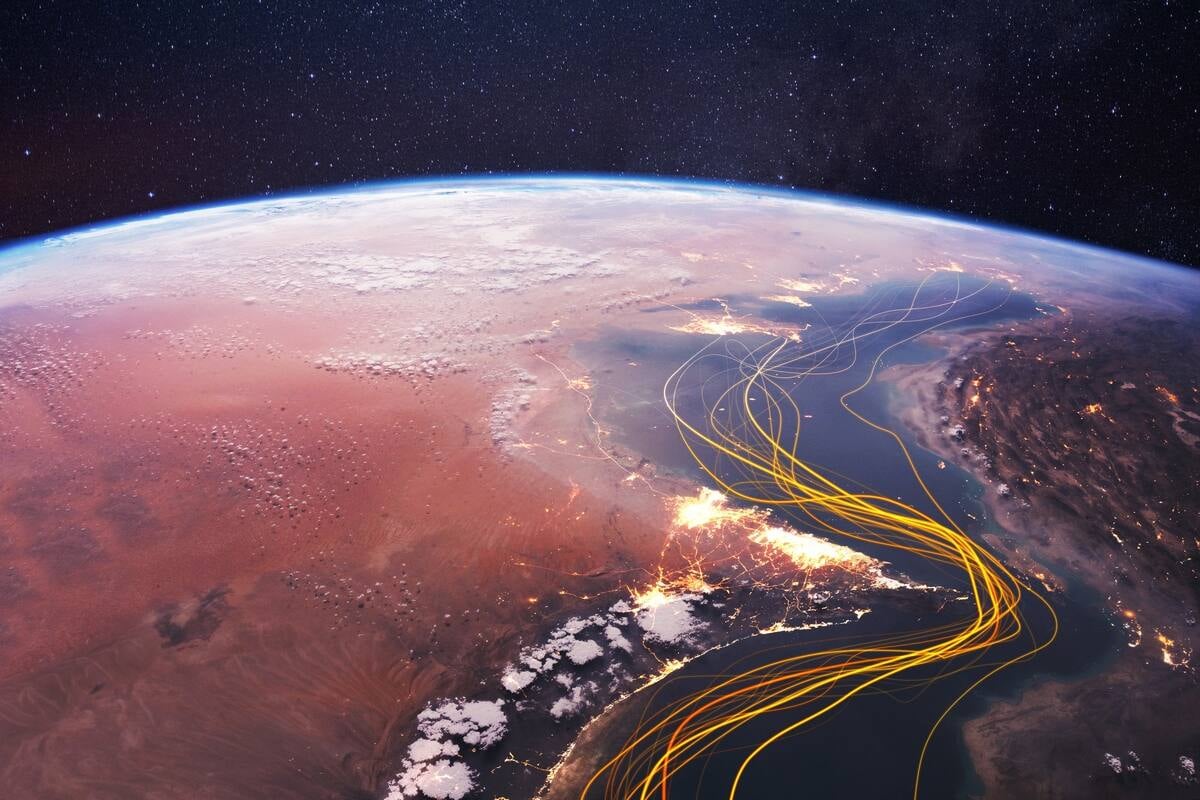
This requires a transfer from reactive disaster administration to strategic preparedness. Many governments reply solely after a shock has already occurred. However within the age of financial wars, a late response is expensive. Nations want early-warning programs that monitor international dangers earlier than they hit home markets. These programs ought to observe meals costs, transport disruptions, power volatility, expertise restrictions, monetary sanctions, cyber threats, debt vulnerabilities, local weather dangers and focus in crucial imports. Situation planning is equally essential. Governments ought to usually ask: what occurs if a significant maritime route is disrupted? What occurs if international wheat costs rise sharply? What occurs if power costs double? What occurs if a significant expertise provider turns into unavailable? What occurs if international rates of interest stay excessive? What occurs if a cyberattack targets ports, banks, power grids, hospitals, or public providers?
These questions usually are not educational workout routines. They’re important instruments of state preparedness. They permit decision-makers to establish vulnerabilities, check response choices and put together establishments earlier than the disaster arrives. A resilient state shouldn’t be one which avoids all shocks. No nation can try this. A resilient state is one that may anticipate, soak up, adapt and get well. Strategic reserves are a part of this preparedness, however they aren’t sufficient. Stockpiles of meals, gasoline, drugs, or crucial inputs can present short-term safety, but long-term financial safety requires deeper structural resilience. This contains diversified commerce companions, home productive capability in chosen strategic areas, stronger regional cooperation, funding in logistics infrastructure, digital safety, local weather adaptation and stronger public-private coordination.
MENA additionally must assume regionally. No nation can safe meals, water, power, expertise and logistics alone. Regional cooperation may also help construct shared reserves, coordinated emergency mechanisms, stronger transport corridors, joint funding platforms, agricultural partnerships, renewable power grids, and knowledge-sharing programs. Financial safety within the area shouldn’t be seen solely as a nationwide agenda; it is usually a regional public good.
The non-public sector has a central function. Corporations perceive provide chains, market dangers, expertise wants, logistics constraints and operational vulnerabilities. Governments mustn’t design financial safety methods with out them. On the identical time, companies mustn’t deal with resilience as a purely non-public value. In strategic sectors, non-public disruption can grow to be a nationwide threat. This makes partnership important.
Financial safety additionally has a social dimension. When shocks happen, the burden typically falls hardest on households, staff, small companies and weak communities. Meals inflation, job losses, power prices, foreign money pressures and provide shortages can rapidly grow to be social and political challenges. Subsequently, resilience should embody social safety, focused assist, job creation and communication methods that keep public belief. That is notably essential for MENA’s younger inhabitants. Financial safety shouldn’t be decreased to defensive insurance policies. It also needs to be linked to alternative: future jobs, digital expertise, inexperienced industries, entrepreneurship, native manufacturing, analysis capability and human growth. A safe financial system shouldn’t be just one that survives shocks. It’s one that offers its folks confidence sooner or later.
Nevertheless, financial safety shouldn’t be confused with isolationism. The reply is to not withdraw from the worldwide financial system or construct partitions round nationwide markets. No nation can produce all the pieces alone, and no trendy financial system can thrive in isolation. The actual goal is clever openness: participating with the world whereas understanding dangers, diversifying dependencies, constructing home capability the place essential and defending the programs that matter most. That is the essence of the strategic state. A strategic state doesn’t merely react to international occasions. It reads alerts early, understands interdependencies, prepares for uncertainty and coordinates nationwide capabilities. It is aware of which sectors are crucial, the place dependencies are concentrated, which dangers are acceptable and which vulnerabilities require pressing motion. It hyperlinks financial evaluation to nationwide decision-making.
Learn| The quiet transformation of finance: Actual-time, embedded, invisible
For MENA, the strategic state should even be a developmental state. It should join financial safety with diversification, human capital, local weather resilience, digital transformation, industrial upgrading, and social inclusion. Resilience shouldn’t be an emergency-only agenda. It must be constructed into nationwide growth plans, fiscal frameworks, funding methods, training programs, and regional cooperation platforms.
Within the coming years, the nations that succeed is not going to essentially be these with the bottom prices or the quickest progress alone. They would be the nations that mix competitiveness with resilience. They may be capable of commerce, innovate, entice funding, and combine globally, whereas additionally defending their strategic sectors and sustaining room for sovereign decision-making.
Financial safety shouldn’t be a brief concern created by latest crises. It’s the new basis of nationwide safety within the twenty-first century. It requires new establishments, new knowledge programs, new partnerships and a brand new coverage mindset. The world has moved from an period that rewarded effectivity above all else to an period that calls for resilience, adaptability and preparedness. Progress nonetheless issues. Openness nonetheless issues. International cooperation nonetheless issues. However they have to now be balanced with strategic consciousness.
The lesson for MENA is obvious: nationwide power will more and more rely not solely on oil revenues, commerce flows, infrastructure initiatives, or headline progress charges. It should depend upon how effectively nations can face up to disruption, shield folks, diversify dependencies, safe strategic sectors and switch financial evaluation into well timed selections.
In a fragmented international financial system, sovereignty is not going to be measured solely by borders or establishments. It should even be measured by the resilience of meals programs, water sources, power networks, monetary channels, expertise infrastructure, provide chains and public belief. Financial safety is the brand new nationwide safety, and for MENA, the time to construct it’s earlier than the subsequent shock arrives.

Prof. Suzanna Elmassah is a Professor of Economics and Sustainability at Zayed College (UAE) and Cairo College (Egypt).